Slurry Separation Systems for Agriculture, Biogas & Industry
Introduction: Industrial Slurry Separation Technology
Slurry separation systems play a critical role in modern agricultural and biogas operations. Efficient solid-liquid separation reduces storage requirements, lowers transport costs, improves nutrient management and stabilises downstream biological processes.
Whether processing cattle slurry, pig manure or digestate from anaerobic digestion, selecting the correct screw press separator directly impacts operational efficiency and long-term cost structure.
Explore FAN Screw Press Separators
What Is Slurry Separation?
Slurry separation is the mechanical process of dividing organic substrates into solid and liquid fractions. This is typically achieved through screw press separator systems using stainless steel wedge wire screen baskets.
The separation process allows operators to:
- Reduce slurry volume
- Improve storage logistics
- Control nutrient application
- Increase digestate handling flexibility
The effectiveness of slurry separation depends on throughput capacity, dry matter output and screen slot precision.
Screw Press Separator Technology Explained
Screw press separators operate by gradually compressing slurry inside a cylindrical screen basket. As pressure increases:
- Liquid fraction passes through precision slot openings
- Solids are conveyed forward
- Counterweight pressure determines dryness level
This mechanical separation system is robust, energy-efficient and suitable for continuous operation in agricultural and industrial environments.
Learn about Wedge Wire Screen Baskets
Applications in Agriculture
Dairy Farm Slurry Management
On dairy farms, slurry separators reduce storage volume and enable flexible nutrient distribution across fields.
Pig Manure Separation
In pig farming operations, separation improves solids handling and reduces lagoon load.
Applications in Biogas Plants
Digestate separation improves:
- Substrate handling
- Fibre management
- Post-fermentation stability
- Nutrient distribution
Efficient mechanical separation directly influences overall biogas plant optimisation.
Biogas Plant Optimisation & Consultancy
Applications in Industrial Processing
- Industrial sludge separation
- Organic waste processing
- Wastewater solid pre-treatment
Industrial environments demand durable screw press technology capable of operating under variable substrate conditions.
How to Select the Right Slurry Separator
When selecting a slurry separator system, consider:
- Required throughput (m³/h)
- Incoming dry matter percentage
- Desired solid fraction dryness
- Installation footprint
- Pump integration
- Electrical supply
Proper sizing ensures optimal separation efficiency and long-term durability.
View Available FAN Separator Models
Spare Parts & Maintenance Considerations
Separation efficiency is directly influenced by the condition of the screen basket and internal wear components. Regular inspection and timely replacement of screen baskets maintain dry matter output and protect mechanical parts.
Browse Compatible Screen Baskets
Engineering Support & System Integration
Effective slurry separation is not only about selecting equipment. It requires understanding substrate characteristics, operational goals and plant configuration.
ProTesCa supports operators with:
- Separator sizing
- Slot width selection
- Digestate strategy planning
- Integration into existing systems
Collection list


Blog posts

ProGasLin in Biogas Practice: Maximizing Profitability
Maximize your biogas plant's profitability with ProGasLin. Learn how improved substrate utilization leads to higher energy yields and significantly lower input costs.
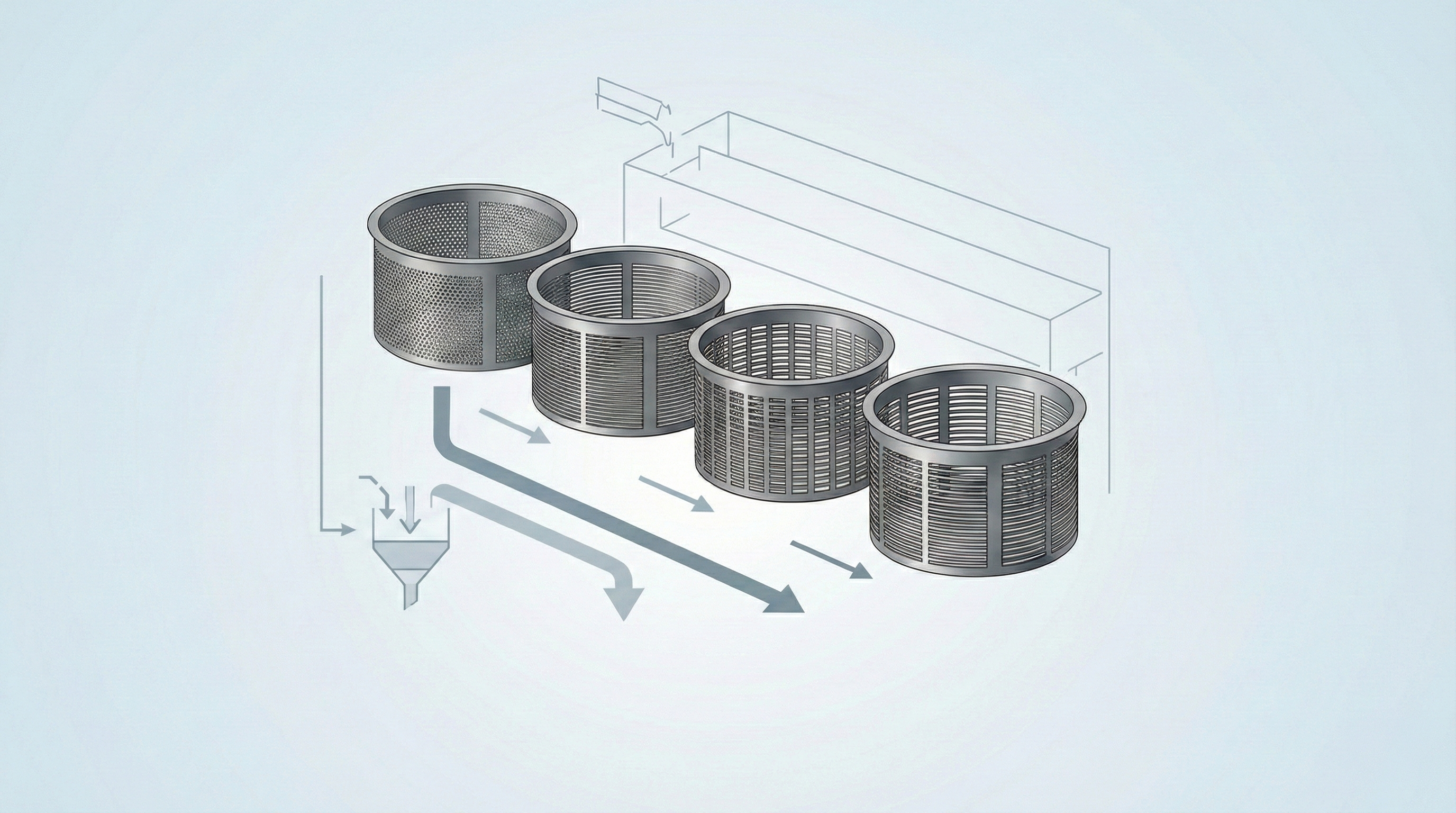
Guide to Screen Basket Sizes for Agriculture & Biogas
Choosing the correct screen basket size is crucial for efficient solid-liquid separation. Discover how different slot widths impact throughput, separation efficiency, and profitability in agricultu...
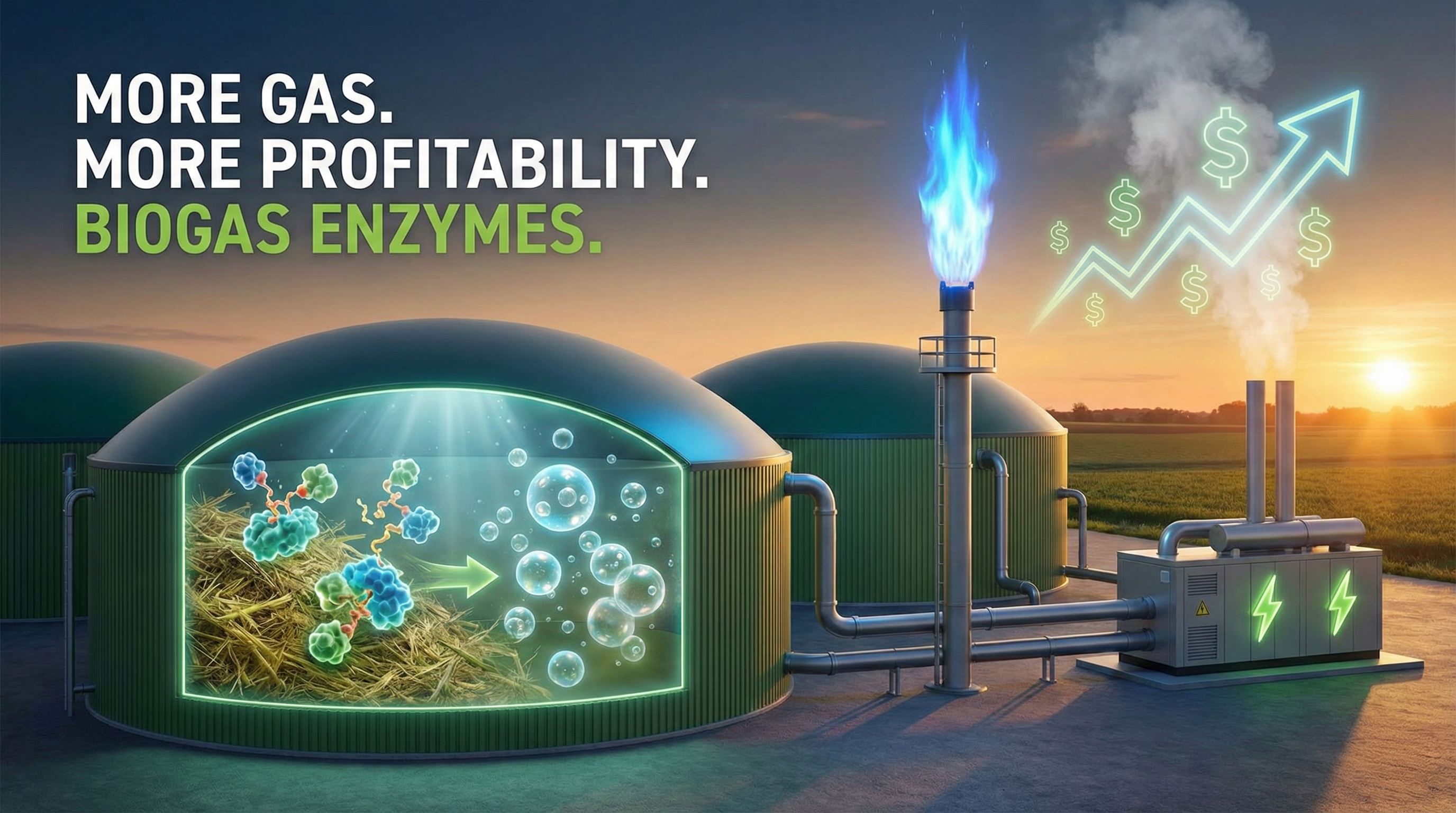
Maximize Biogas Yields and Profitability with Enzymes
Boost biogas plant profitability with ProGasLin enzymes. Optimize hydrolysis, increase methane production, and ensure maximum efficiency in energy generation.